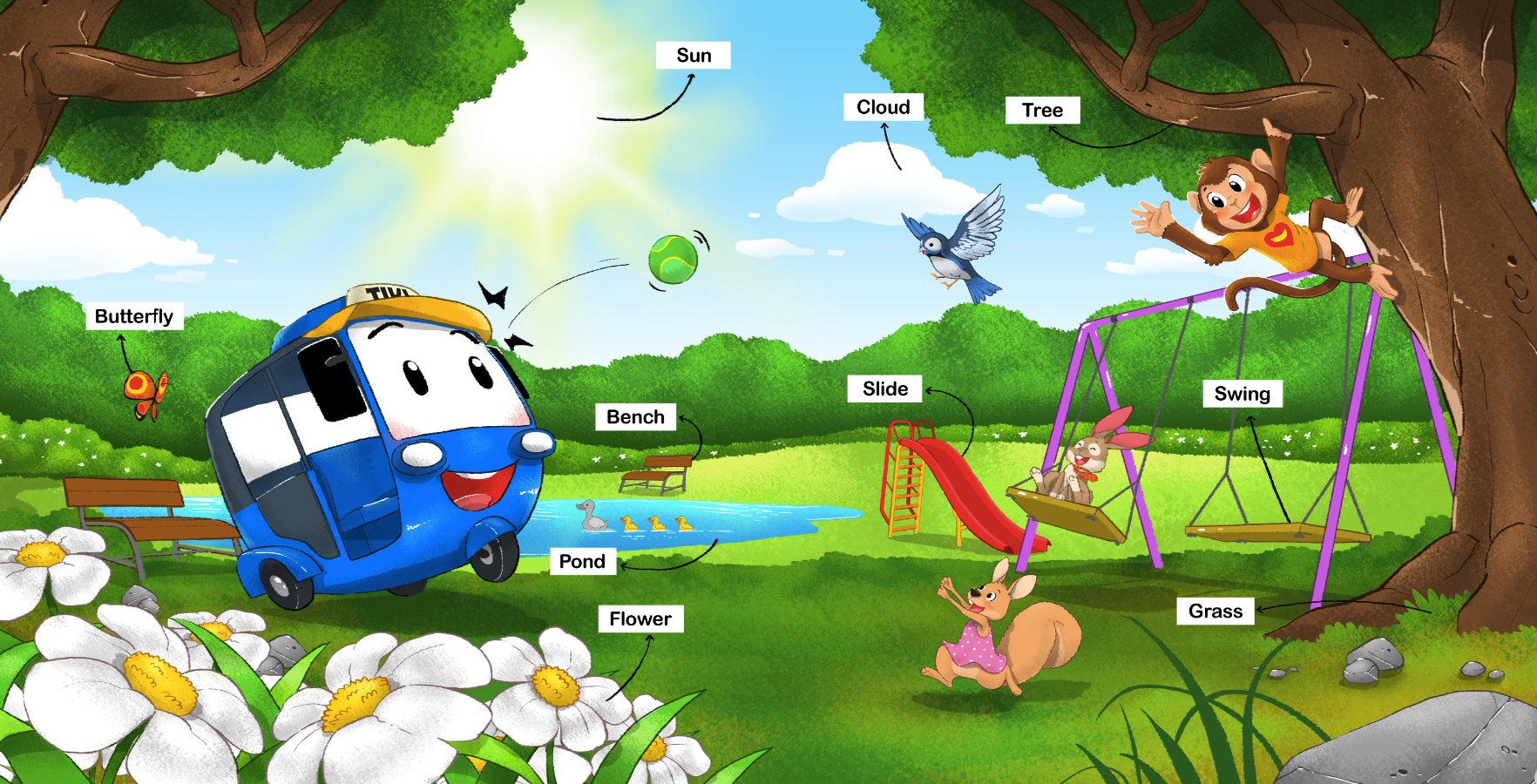
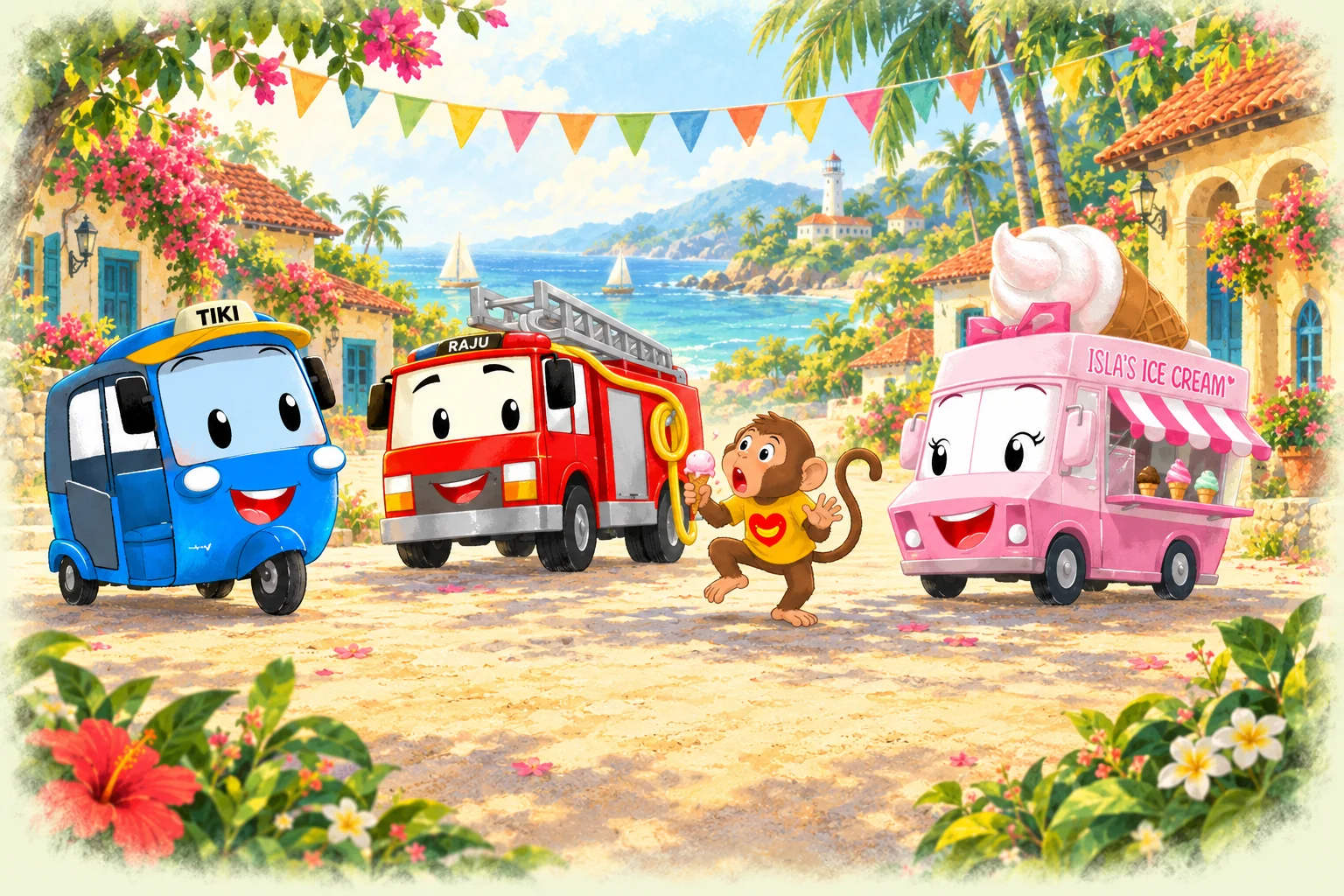
A child spots a tuk-tuk and shouts its name. A parent points to a blue crayon. Someone asks for a favourite story again. These are useful places to begin English: familiar things, something to talk about, and an adult ready to listen.
For families in Sri Lanka, introducing English can sit comfortably alongside Sinhala, Tamil and the other languages spoken at home. Here is a practical starting point, with a little context about literacy and plenty to try together.
What the literacy figures actually tell us
Sri Lanka’s 2024 Census of Population and Housing reports language literacy of 97.4% among people aged 10 and over, covering the ability to read and write in Sinhala, Tamil or English. Its English literacy figure for that population is 57.3%. These are reported reading and writing abilities, with understanding, rather than a test of spoken fluency. They do not describe preschool children.
That distinction matters. A country can have strong overall literacy while people have different levels of access to English. For an individual family, the useful question is what opportunities a child has to hear, explore and use the language. A national percentage cannot tell you what your child needs next.
Keep your home language in the conversation
UNICEF’s evidence summary on mother tongue instruction describes the value of learning through a language a child understands. English can be an additional part of family life while Sinhala or Tamil remains a rich language for stories, questions and connection.
Try discussing a picture in the language that comes naturally to you, then introduce an English word for one thing in it. A conversation about the garden might include the English word “leaf”. There is no need to replace the whole conversation or make a child choose between languages.
Source: UNICEF Foundational Learning Hub
Give English a job in your day
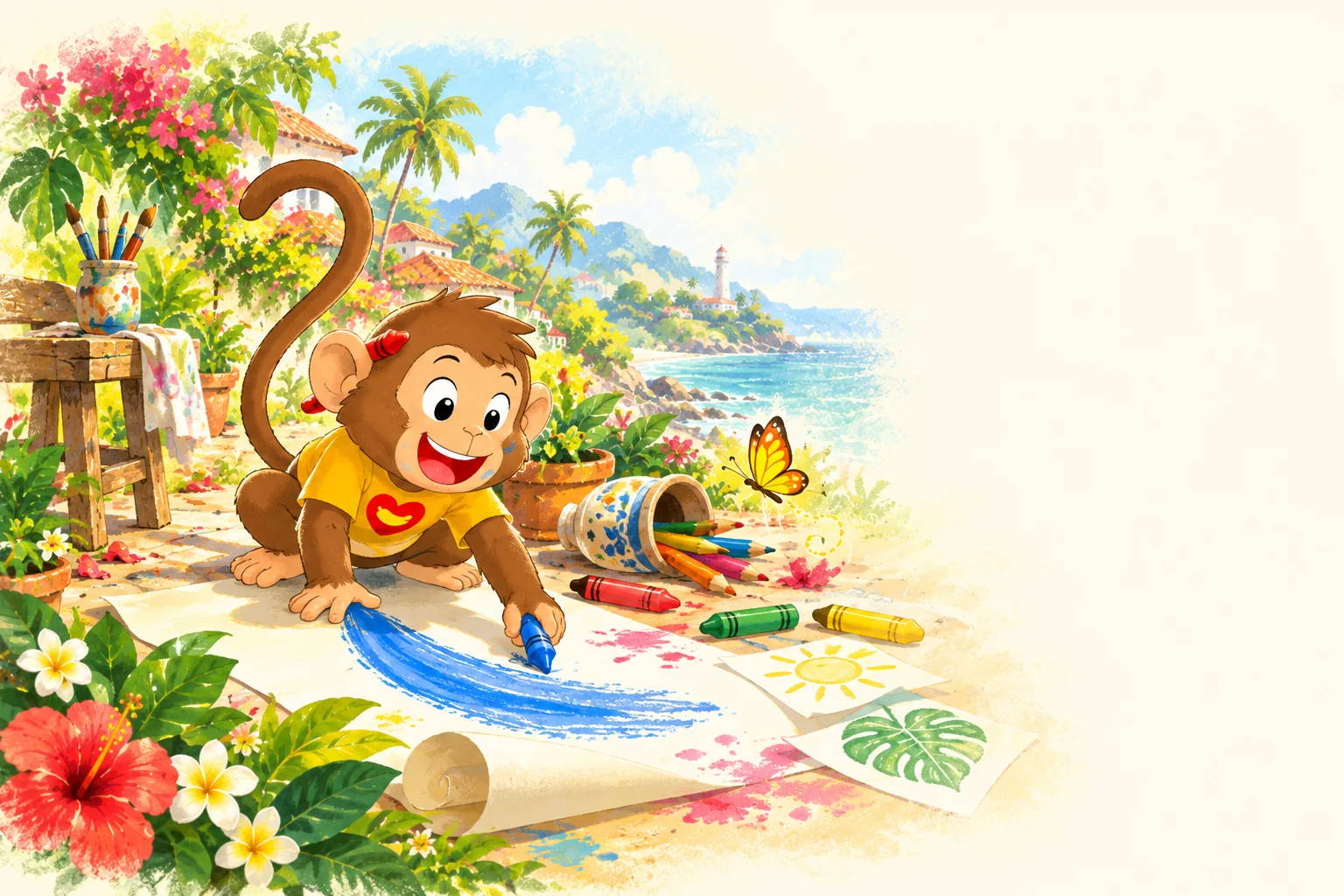
Choose a small purpose: asking for a colour, naming something in a picture, or telling a toy where to go. “Blue, please” has a clear use when the blue crayon is beside you. You can answer naturally and carry on drawing.
Build an imaginary tuk-tuk stop with a sheet of paper. Draw a home, a tree and a shop. Let your child drive a toy or a finger between them while you say “stop”, “go” or “home”. On another day, add rain to the picture and decide together where the passengers will shelter. The drawing belongs to the child, so the conversation can follow their ideas.
You can join in while you are learning too
British Council guidance reassures parents that their English does not need to be perfect to begin. It recommends encouragement and patience, including time for a child to listen before speaking.
Choose a word you feel comfortable saying, or listen to a short recording together. If neither of you knows a word, make finding it a shared task. Keep questions inviting: offer a choice between two pictures instead of asking a child to perform a list of words for an audience.
Where Tiki fits in
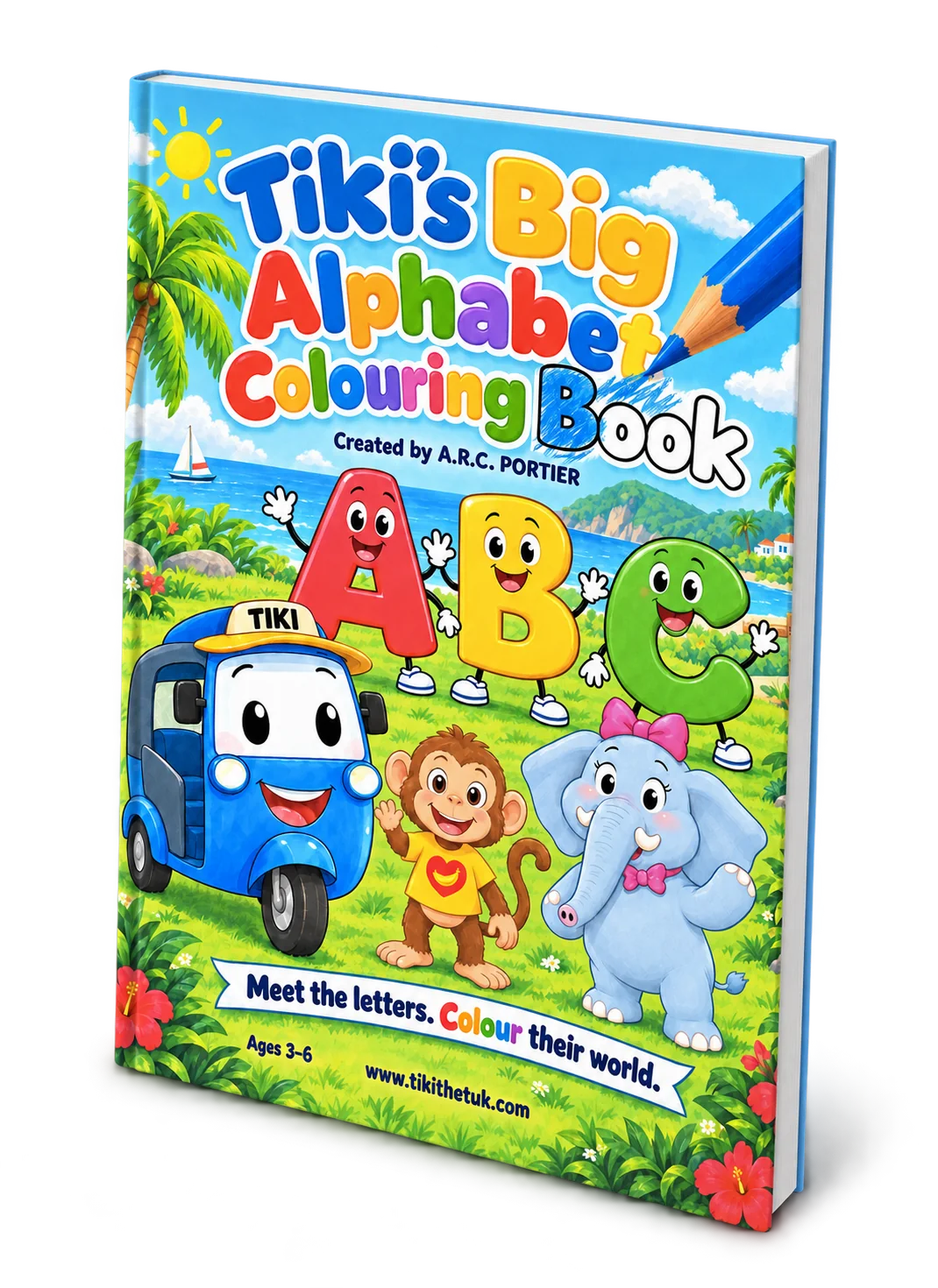
Tiki The Tuk brings a blue tuk-tuk and a cast of friends into illustrated books, songs and stories. Use the pictures as something to talk about: find Tiki, describe a colour, or imagine where Milo is going. The adult and child supply the conversation.
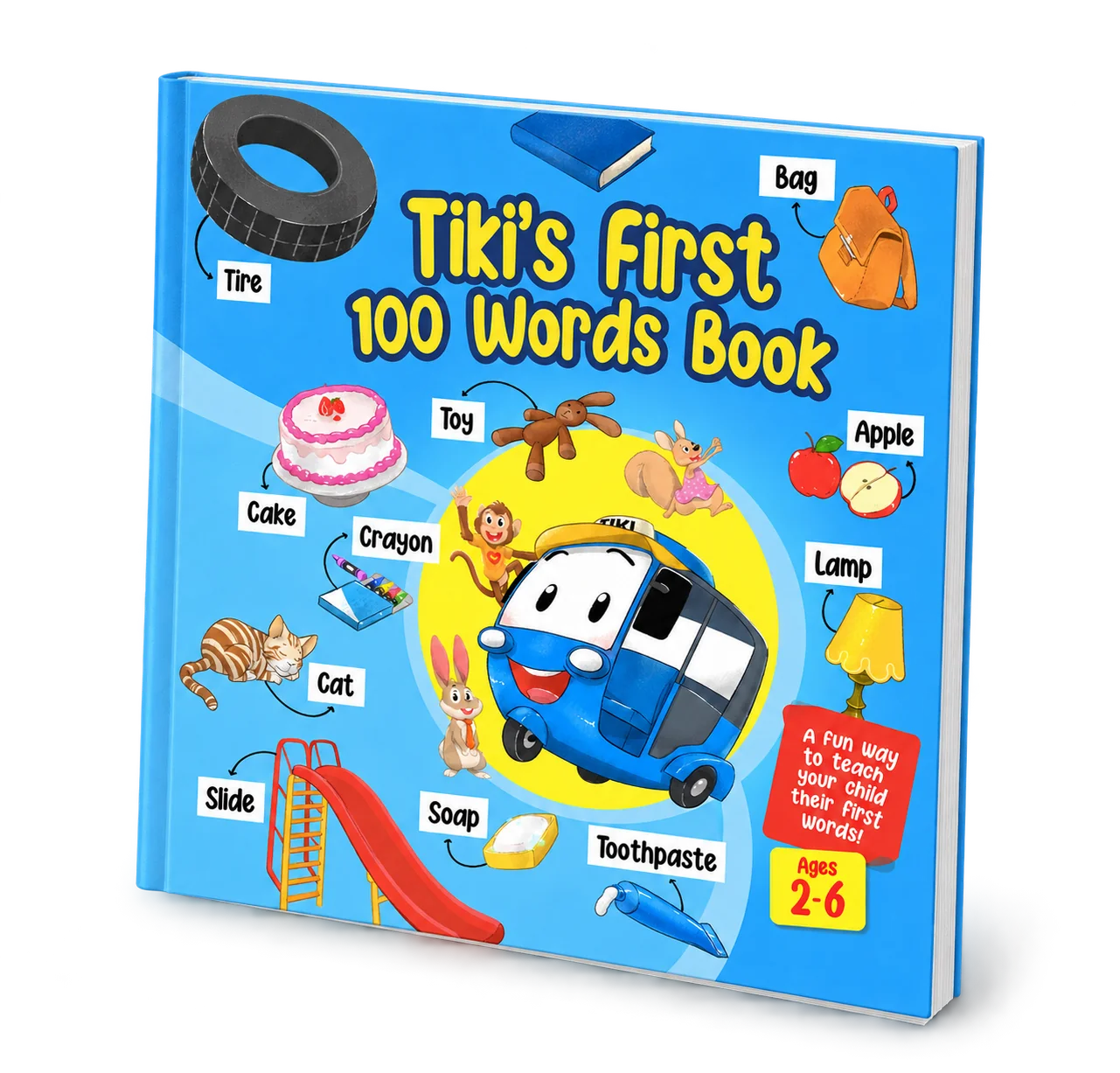
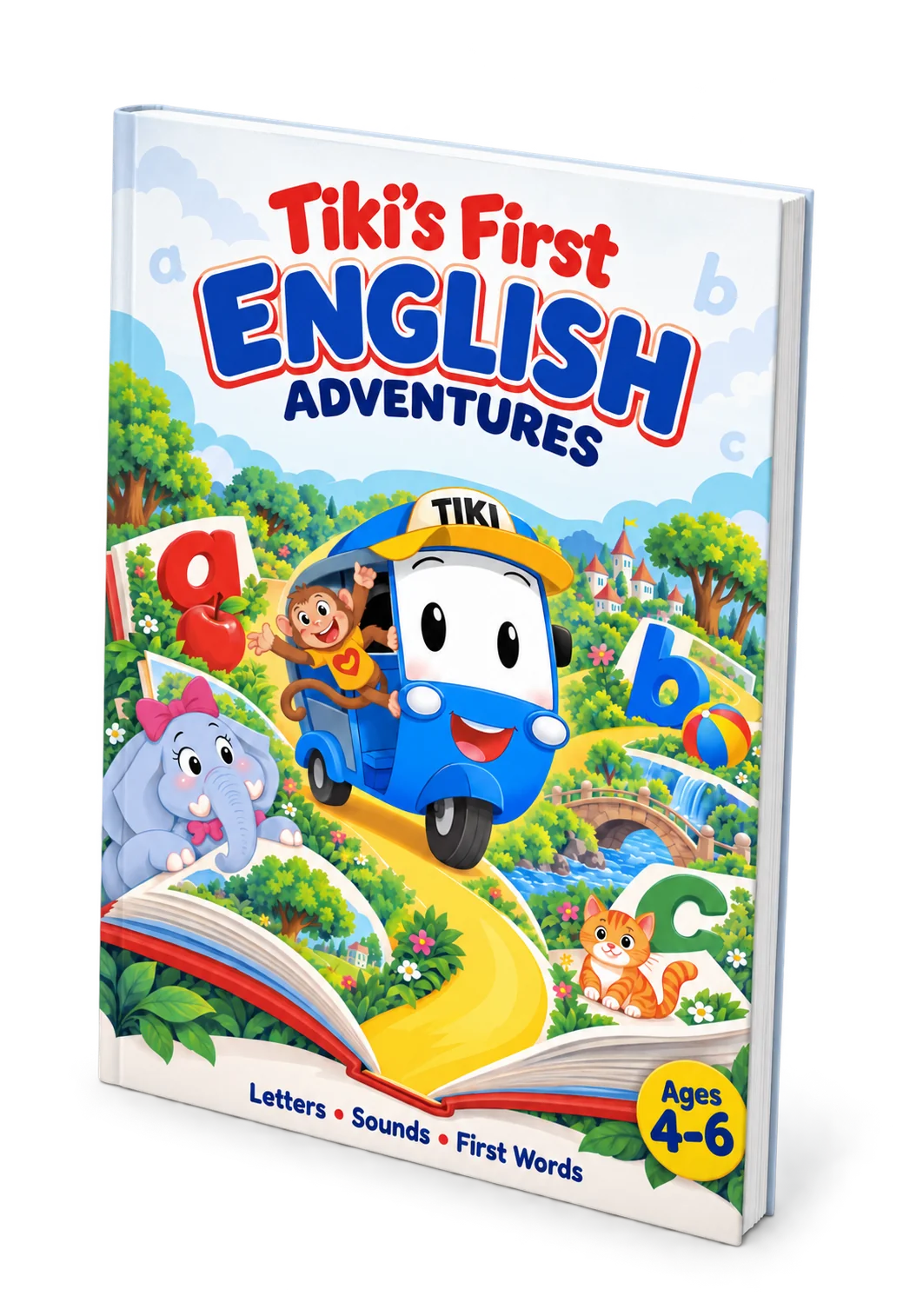
Our printed books are coming soon, including Tiki’s First 100 Words Book and Tiki’s First English Adventures. You can explore their covers and available previews now, and visit Watch & Listen for songs and stories. Start with one thing your child wants to return to.
Sources & further reading
The original research and parent guidance used in this article, with dates and context.
- Census of Population and Housing 2024 — language literacyDepartment of Census and Statistics, Sri Lanka · 2024 census, final report; printed pages 138–140, Tables 7.8–7.10 (PDF pages 155–157). Population aged 10 and over.
- Mother tongue instruction: evidence summaryUNICEF Foundational Learning Hub · Evidence summary accessed 10 October 2026.
- How to start teaching kids English at homeBritish Council LearnEnglish Kids · Parent guidance accessed 10 October 2026.